
Growing Pains
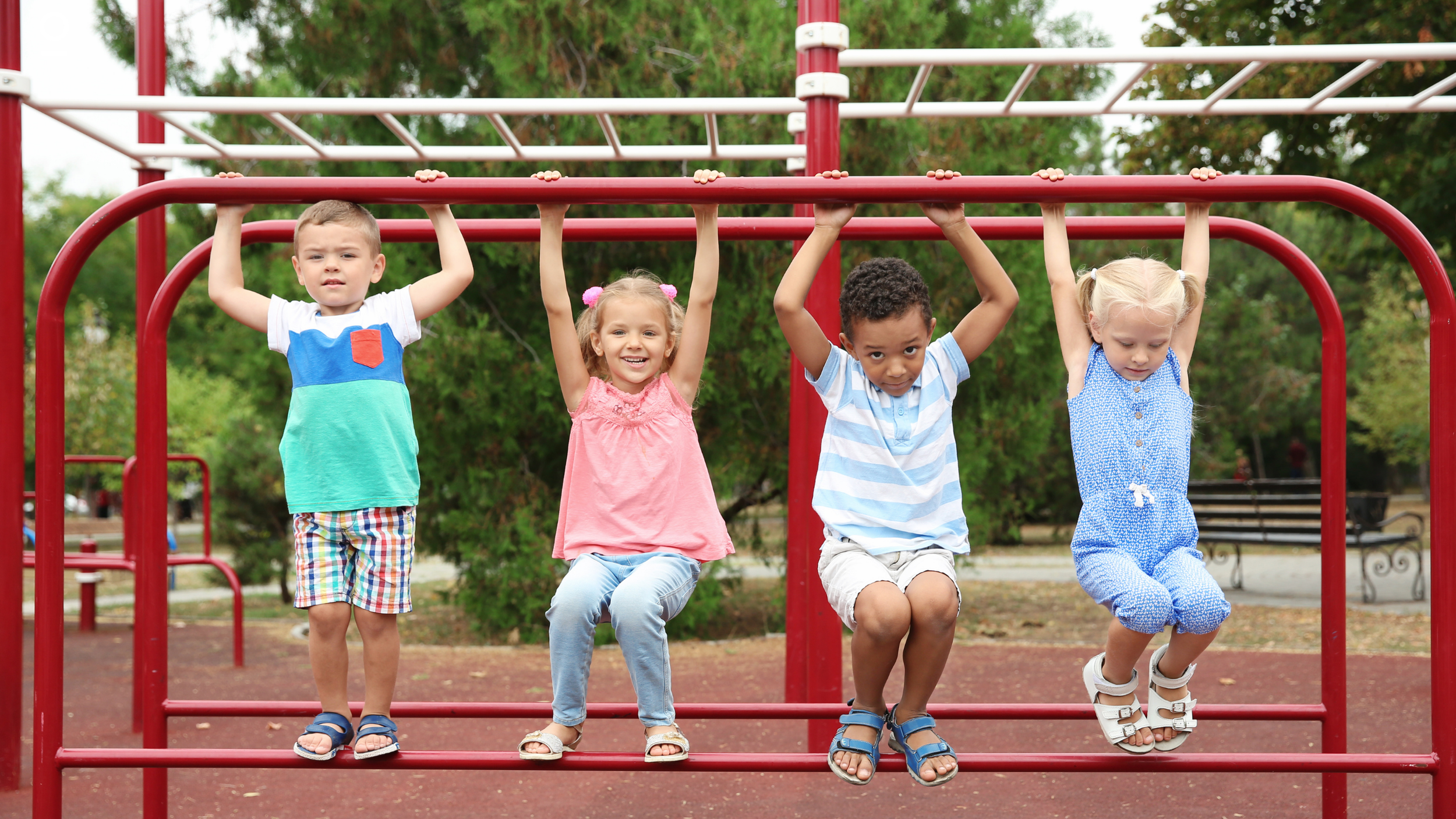
What Are Growing Pains?
Growing pains are common complaint in children, involving a pattern of aching and/or cramping muscle pain, typically felt in the front of the thighs, the calves, or behind the knees. They are almost always bilateral (affecting both legs) rather than isolated to one joint or one side of the body.
Growing pains most commonly affect children between roughly 3 and 12 years old, with the highest concentration in the 4 to 8 year range. They tend to fade out through the later primary years, though some children experience a milder recurrence in early adolescence.
The pain typically shows a consistent pattern:
Comes on in the late afternoon, evening, or during the night and can wake a child overnight
Is usually gone by morning, with the child walking, running and playing completely normally
Tends to be intermittent - some weeks or months with frequent episodes, then stretches with none at all
Often follows a day of heavier physical activity, but not always
What Causes Growing Pains
Despite the name, there's no good evidence that they're caused by bones actually growing! Bones grow very slowly and it isn't a painful process. The underlying mechanism is still debated. Some theories are:
Exercise and fatigue from a day of running, jumping, climbing and general high activity
Reduced pain threshold in the evening, when a child is tired and no longer distracted by play
Possible links to lower bone strength / vitamin D, but more evidence is needed here
Where in the body
The most common locations are:
Front of the thighs
Calves
Behind the knees
Pain is usually deep in the muscle rather than sharply localised to a joint line and, importantly, it affects both legs, even if not always on the same night.
When to be concerned, and when to bring your child in
Because growing pains share some features with other conditions, certain signs should always prompt a proper assessment:
Pain confined to one joint or one leg, rather than both legs generally
Swelling, redness, warmth, or a palpable lump anywhere in the limb
Limping or reluctance to weight-bear during the day, not just discomfort at night
Pain that persists into the morning or continues through normal daily activity
Systemic symptoms — fever, unexplained weight loss, fatigue, reduced appetite, or looking generally unwell
Pain that is progressively worsening rather than following an intermittent, come-and-go pattern
Any pain following a specific injury, fall, or trauma
These features don't necessarily mean something serious is going on, but they do warrant ruling out other causes - things like localised injury, infection, inflammatory joint conditions, or, rarely, other causes of bone pain. A thorough history and physical examination, sometimes alongside bloods or imaging if indicated, is the appropriate next step when any of these red flags are present.
What can help with benign growing pains
For children with the classic, reassuring pattern, several simple approaches have reasonable support and are widely used in clinical practice:
Gentle massage of the affected muscles during an episode
Stretching, particularly of the calves and quadriceps, done regularly rather than only during flare-ups
Heat applied to the affected area, which many children find soothing
Osteopathic treatment of the legs, pelvis and lower back, aimed at addressing muscular tension and any contributing biomechanical factors, and often reducing the frequency and intensity of episodes over time.
Our Osteopaths find that treatment can help with decreased frequency and intensity of pain.
There's no strong evidence that growing pains predict any long-term musculoskeletal problem. Treatment is generally about comfort and frequency reduction, not "fixing" an underlying pathology, because in the classic presentation there typically isn't one.